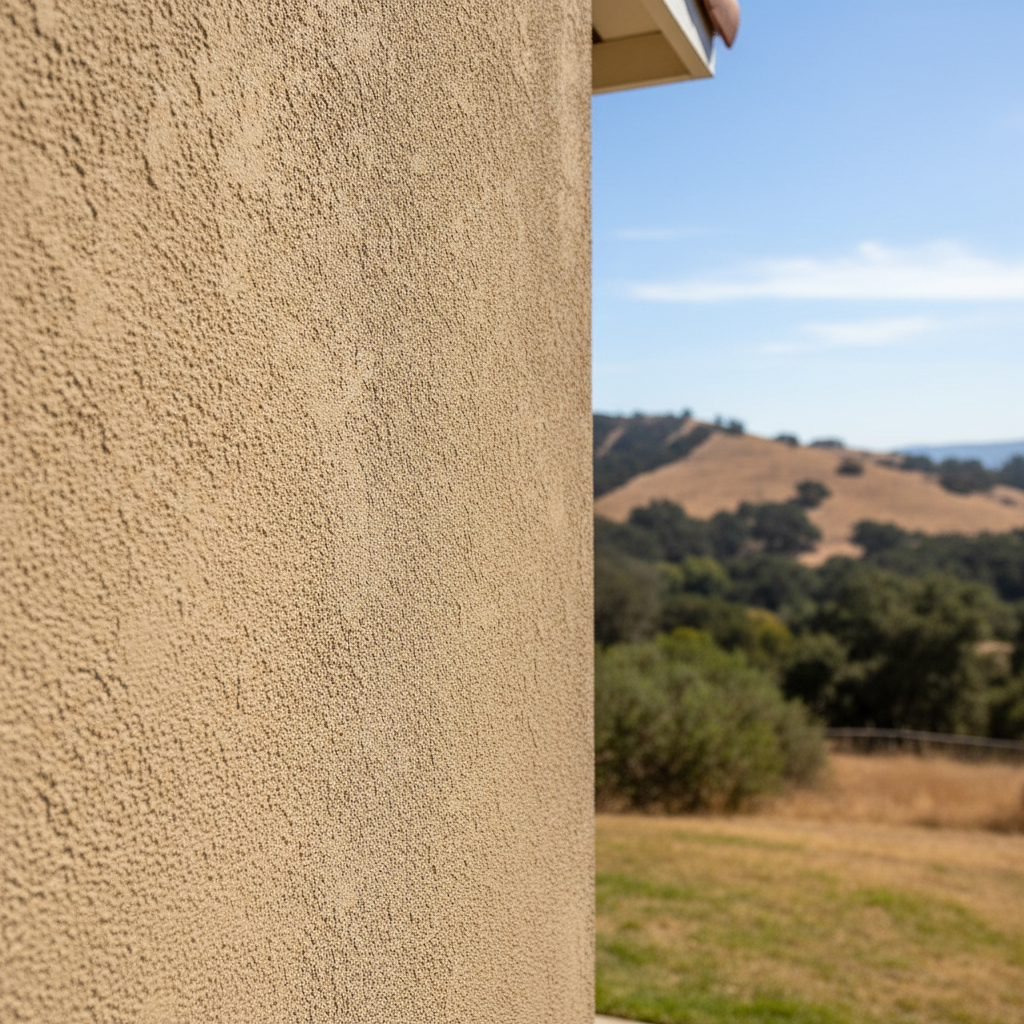
Before You Grab That Ladder: Know Your Stucco
So, you're thinking about checking out your home's stucco? Good for you. Most folks just assume everything's fine until they spot a huge crack, but catching problems early? That can save you a ton of grief — and money — down the road. Before you even start poking around, you really need to figure out what kind of stucco you've got. Is it traditional three-coat stucco, or is it EIFS (Exterior Insulation and Finish System)? They might look pretty similar, but they act differently, and what you're looking for can change based on that.
Traditional stucco feels hard, kind of like concrete, and usually goes over a wire mesh. EIFS, on the other hand, often has a softer, more flexible feel because it's applied right over insulation boards. Not sure which one you have? Sometimes you can tell by tapping on it; EIFS will usually sound a bit hollower. Knowing this helps you understand what kinds of problems might pop up and, honestly, how serious they might be.
Your DIY Stucco Inspection Checklist
Alright, let's get to it. You won't need any fancy gadgets for this first look, just your eyes, maybe a flashlight, and a notepad. Take a walk all the way around your house, really paying attention to these spots:
- Cracks: This is a big one, right? Are they just thin hairline cracks, or are they wider than, say, a credit card? Hairline cracks are pretty common and often just on the surface. Wider cracks, especially ones that run diagonally from windows or doors, could signal structural movement or water getting in. Don't ignore those.
- Discoloration and Stains: Spot any dark streaks? Especially under windows, near rooflines, or around vents? That's usually water. It means water's finding its way in somewhere it shouldn't, and it's probably running down behind the stucco. Algae or mildew growth is another big red flag for moisture that just won't go away.
- Bulging or Soft Spots: Gently press on the stucco in different areas. Does it feel soft or spongy? Does it bulge out? This is a serious sign of delamination — the stucco is separating from the wall, typically because of water damage and rot underneath. If you find this, seriously, stop poking and call someone.
- Impact Damage: Did a tree branch hit the house? Did a kid's ball leave a dent? Even small impacts can mess with the stucco's integrity, creating tiny openings for water to sneak in.
- Flashing and Sealants: Look closely where your stucco meets other materials – windows, doors, rooflines, decks, even your foundation. Are the sealants cracked, missing, or pulling away? Is the flashing (those metal strips) still intact and properly installed? This is where water often finds its way inside. Many homes in Saratoga, particularly those older ranch styles tucked away in the hills, have stucco that meets wood trim or stone veneers, and those transitions are prime spots for issues if they weren't sealed correctly or have just worn out over time.
When to Call a Pro (That's Me, or Someone Like Me)
You can do a pretty good job spotting surface-level problems yourself. But there's a point where you really, truly need an expert. Here's when to pick up the phone:
- Any sign of serious water getting in: Those dark streaks, soft spots, or widespread mildew? Don't mess around. Water behind stucco can lead to rot, mold, and structural damage that costs a fortune to fix if you let it go.
- Widespread, large, or recurring cracks: If you're seeing a lot of cracks, or cracks that just keep coming back after you patch them, it might point to bigger problems with your home's foundation or framing.
- If you think you have EIFS issues: EIFS is a great system when it's put in right, but it's more prone to water damage if the sealants fail. It's a different animal to repair, and you need someone who really gets its specific drainage and drying properties.
- Before a big renovation or sale: Planning to sell your home or do a major remodel? A professional stucco inspection is a smart investment. It gives you peace of mind and can help you avoid nasty surprises during escrow.
When I come out for an inspection at All Things Stucco Solutions, I'm not just looking at the surface. I'm checking for proper weep screeds, kick-out flashing, and making sure all the layers are doing their job. Sometimes, we'll even use moisture meters to find hidden water behind the walls without tearing anything out. It's about getting the full picture, not just patching up what you can see.
After the Inspection: What's Next?
If you've done your DIY check and found some minor stuff, like small hairline cracks or a bit of faded sealant, you might be able to handle those yourself with the right patching compound and caulk. Just make sure you're using materials designed for stucco and exterior use. But if you've found anything on that